
Published 29 January 2026
Effective 6 Products Used in Sunburn Recovery
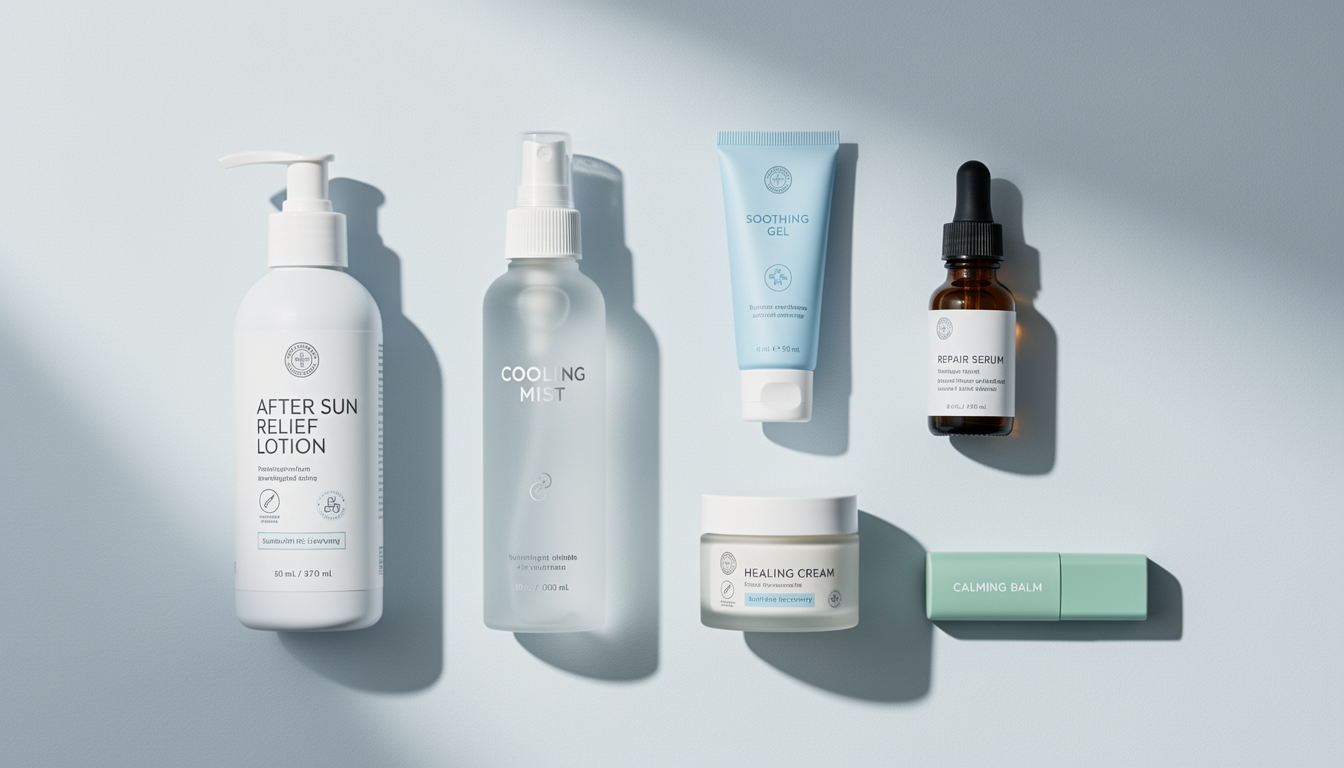
Sunburns can turn a great day outside into hours of redness, heat, and peeling. Prevention with sunscreen is best, but accidental overexposure still happens. When it does, choosing the right products can cut discomfort, reduce inflammation, and help skin repair itself. This list covers six options recommended by experts and validated by reviewers to help you recover from sunburn.
1. EMUAIDMAX First Aid Ointment
When you need quick relief for sunburn and other minor skin irritations, EMUAIDMAX First Aid Ointment is often used for its broad approach to skin recovery. It’s formulated to reduce pain, swelling, and general discomfort from minor burns and sunburn, and includes antibacterial and antifungal components to help limit infection while skin heals.
EMUAIDMAX combines concentrated, medical-grade ingredients, listing active items such as 10x, 20x, 30x HPUS Argentum Metallicum (Colloidal Silver), plus emu oil, tea tree oil, bacillus ferment, L-Lysine HCL, phytosphingosine, and ceramide 3. Together these ingredients moisturize, limit water loss, and soften the skin’s surface. Many reviewers mention fast relief from itching and pain, and that it helps wounds close and skin recover. Despite its strength, the formula avoids synthetic preservatives, lanolin, alcohol, parabens, steroids, petrochemicals, and fragrance, so people with sensitive skin and even parents of infants often feel comfortable using it. Customer ratings tend to average around 4.2 out of 5 stars. It’s priced on the higher side, but many users say the results justify the cost.
2. Seven Minerals Organic Aloe Vera Gel
Aloe vera is a classic remedy for sunburn thanks to its cooling, calming effect. Seven Minerals Organic Aloe Vera Gel is frequently recommended for its clean formulation and ability to hydrate and reduce inflammation in sun-exposed skin. Dermatologists and organizations such as the American Academy of Dermatology note aloe vera’s role in lowering inflammatory mediators that cause redness, heat, swelling, and pain.
This gel is usually made from true aloe leaf juice, often cold-pressed to keep nutrients intact, and avoids common irritants like added dyes, fragrances, and alcohol—making it suitable for damaged, sensitive skin. Aloe also contains glucomannan, which helps activate fibroblast growth factors important for cell repair and collagen production. Many people keep aloe gel chilled to increase the cooling effect on application. It’s well-reviewed and typically sells for about $13–$20.
3. 1% Hydrocortisone Cream (Over-the-Counter)
If your sunburn comes with strong pain, itching, redness, or swelling, an over-the-counter 1% hydrocortisone cream can be effective for targeted relief. Hydrocortisone is a mild topical steroid that dampens inflammation and helps control acute symptoms when applied to affected areas several times a day.
Dermatologists commonly recommend this for mild to moderate sunburn to calm the inflammatory response. Choose a fragrance-free formula to avoid extra irritation on compromised skin. It’s widely available, inexpensive, and a practical first-line option for managing sunburn symptoms.
4. CeraVe Moisturizing Cream
Once the initial sting eases, intensive moisturizing matters—especially as skin starts to peel—to rebuild the barrier and prevent further damage. CeraVe Moisturizing Cream is often suggested by dermatologists because it restores and holds the skin’s natural barrier while delivering sustained hydration. Its texture is rich without feeling greasy, helping retain moisture in skin recovering from a burn.
The cream contains essential ceramides and hyaluronic acid. Ceramides are lipids that support the skin’s protective barrier, and hyaluronic acid draws in and keeps moisture for deeper hydration. Fragrance-free, paraben-free, and non-comedogenic, it’s suitable for sensitive, post-sunburn skin and won’t clog pores. It’s generally mid-priced and offers strong value for barrier repair.
5. Sun Bum Cool Down Soothing and Cooling Aloe Vera Gel
For a fast, refreshing sensation on sun-baked skin, Sun Bum Cool Down Soothing and Cooling Aloe Vera Gel is a popular, immediate-relief choice. It’s formulated to calm sensitive, sun-exposed skin and help reduce redness, itching, and peeling. Many people refrigerate it for an extra cooling effect.
This gel blends aloe vera with Vitamin E to hydrate and nourish the skin. Some users appreciate its mild tropical scent—notes of coconut and banana—which many find pleasant without being overly irritating. The non-sticky, quick-absorbing texture makes it comfortable to wear and supports faster recovery. It’s a budget-friendly pick, usually around $11–$12.
6. La Roche-Posay Thermal Spring Water
Sometimes sunburned skin just needs a simple, gentle burst of hydration, especially on the face or in tricky spots. La Roche-Posay Thermal Spring Water delivers that in a minimalist form. This fine mist is sourced from natural thermal spring water and contains minerals and trace elements that soothe and offer antioxidant benefits.
Dermatologists recommend this spray to refresh and calm irritated or sunburned skin, giving quick hydration without added fragrances or harsh additives. The ultra-fine mist applies evenly and absorbs fast, instantly lowering the sensation of heat. It’s handy to use throughout the day to ease discomfort and support recovery. Typical prices fall in the $10–$15 range per bottle.
Key Takeaways
- Immediate Cooling: Products like aloe vera gels and thermal spring water provide instant cooling relief to reduce the burning sensation.
- Reduce Inflammation: Hydrocortisone creams and specialized ointments like EMUAIDMAX target inflammation and redness directly.
- Deep Hydration: Moisturizing creams with ceramides and hyaluronic acid are crucial for restoring the skin barrier and preventing peeling.
- Gentle Formulations: Opt for products free of fragrances, alcohol, and harsh chemicals to avoid further irritation on sensitive, sun-damaged skin.
- Continuous Care: Sunburn recovery is a multi-day process; consistent application of soothing and hydrating products is key.
FAQ
What should I avoid putting on a sunburn?
Avoid products with alcohol, which can dry the skin further, and topical anesthetics like benzocaine that may cause irritation or allergic reactions. Right after a burn, steer clear of very thick, occlusive ointments that can trap heat—start with lighter, cooling formulations instead.
When should I see a doctor for a sunburn?
Seek medical help if the burn covers a large area, produces severe blisters, comes with fever or chills (which can signal heat-related illness), or shows signs of infection such as pus, increasing swelling, or spreading streaks. Worsening pain, confusion, persistent nausea, severe headache, or eye problems also deserve prompt evaluation.
Recovering from sunburn means cooling the skin, calming inflammation, and keeping it well hydrated. Using the products listed here in a consistent routine can ease discomfort and support faster healing. And whenever possible, stick to good sunscreen habits—prevention is still the best protection.